Covers
The interaction problemDesign collaborationUser-facing behavior

UX Engineer · Frontend systems · Product builder
I work at the intersection of software engineering and user experience, building interaction systems, frontend infrastructure, and products that solve real problems.
Design isn’t a deliverable. It’s the product.
Selected engineering contributions, from production interaction systems and healthcare technology to independent developer tools. Each case study explores the problem, my role, the technical approach, and the available evidence.
Owning interface work on a product used by hundreds of millions, and the internal tooling other engineers build it with.
Did most of an end-to-end UI revamp on a live payments product, then moved the codebase onto a new design language.
Performance work with a number attached: 60% faster UI, Lighthouse over 80 across every surface, SSR in six languages.
Built the internal apps the operations team ran the business on, plus the chat layer customers used to reach them.
First interface hire on a regulatory-workflow product: designed and built the core UI from an empty repo.
Eight web apps in two years for public-health programs across several countries, including a biometric patient enrollment integration with DHIS2 for an implementation in Nepal.
ChatGPT for Instagram.
A tiny library: the knowledge layer for AI-native software.
A hub for AI apps grouped by the stacks they actually run on, not by name.
LLM workflows that take an Indian wedding from a blank page to a plan in minutes.
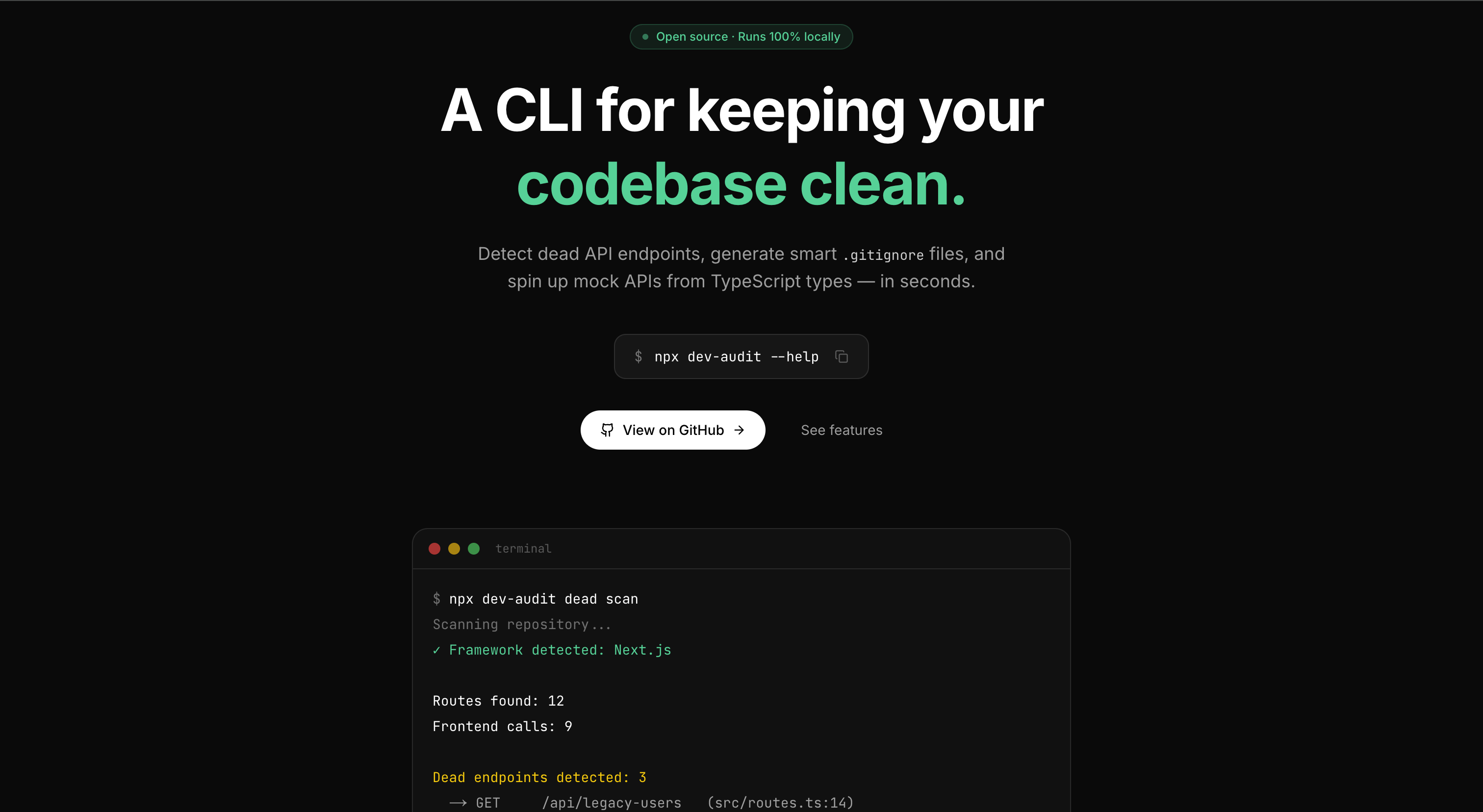
Dev tools and embeddable widgets — one script tag, real numbers on your page.
Auto-adapting skeletons for any UI.
The operating system for cricket clubs.
A home for web games you actually play with friends — party games rebuilt to feel fast, expressive, and alive right in the browser.
Three titles live so far — Cards Against Humanity, Blank Slate, and Wavelength — each rebuilt for real-time play on a call or in a group chat, with no installs or accounts to fight through. More titles in the pipeline.
An open-source, community-driven platform defining and growing the discipline of UX Engineering.
For students, developers, designers and career switchers trying to understand where engineering and user experience intersect on modern product teams — learning resources, career roadmaps, interaction breakdowns and community contributions.
An autonomous brand-asset CDN built for modern product and engineering teams.
Connects directly to Figma, auto-compiles and optimizes assets, then serves them globally through permanent edge URLs — no pull requests, rebuilds or redeploys. An MCP layer lets agents search, analyze and propose asset changes with approval and rollback built in.
Most projects die of scope, not of bad taste. I cut until one flow is left standing, then design that flow until it feels obvious.
Figma is where I think; the browser is where I decide. Real type, real latency, real states — the compromises show up while they're still cheap.
Launch is the start of the research. I instrument what shipped, read where people hesitate, and remove whatever the numbers can't justify.
I'm a UX engineer who refuses to pick a side. Most days that means Google Meet at scale; most nights it means a product of my own with nobody else to hand the hard part to.
Nine years, six teams, two of them at Google. A stint at Cars24 where I lifted UI performance by 60%. The through-line is the same everywhere: the interface is the product, and someone has to own it end to end.
Off-screen I write poetry, perform theatre, and once played national-level cricket. The poet taught me to listen. The theatre kid taught me timing. Both show up in the work.
Invitations to speak, judge, review or be interviewed, and conversations about interface and frontend-systems work.
sidhanshumonga28@gmail.com→